
Key Takeaways
- Dog fence options for New Zealand homes vary based on dog size, behaviour, property type, and local conditions.
- Physical dog fencing such as timber, aluminium, metal, and wire mesh remains the most reliable option for most homes.
- Hidden dog fence systems, including underground and wireless dog fences, can work well when used correctly and with training.
- Council fencing rules in NZ, coastal weather, and neighbour-friendly design should be considered before installation.
- Professional fence installers help ensure dog safe fencing that is secure, durable, and compliant with boundary fence regulations.
When talking about dog ownership in New Zealand, outdoor safety is a top priority for many households. Whether you live in a suburban section, a lifestyle block, or a coastal area, choosing the right dog fence is about more than marking a boundary. It is about secure dog fencing that keeps your pet safe, protects neighbours, and fits the way you use your outdoor living spaces.
This guide covers practical dog fence options for New Zealand homes. It explains what works, what does not, and how to choose a dog fence for homes based on real conditions across NZ.
Why Dog Fencing Matters in New Zealand Homes
Dog fencing solutions need to handle more than just containment. Many New Zealand homes deal with open front yards, shared boundaries, uneven land, strong winds, and coastal weather conditions. A poorly planned backyard dog fence can lead to escapes, neighbour disputes, or safety risks near roads.
Residential dog fencing also plays a role in:
- Home pet safety for families with children
- Protecting gardens and outdoor enclosures
- Supporting council fencing rules and boundary fence regulations
- Improving property security without blocking visibility
For urban dog fencing, the focus is often escape proof dog fence design. On lifestyle blocks or farm dog fencing setups, coverage and durability become more important than appearance alone.
Key Factors to Consider Before Choosing a Dog Fence
Before comparing materials or prices, it helps to understand your specific needs. The best dog fence option for one home may not suit another.
Dog Size and Behaviour
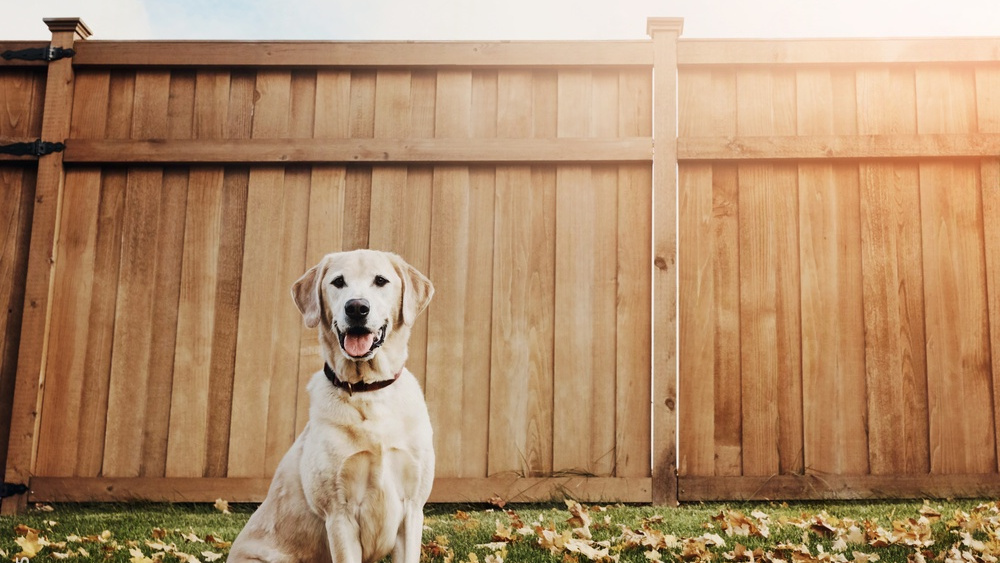
Small dog fencing needs to address gaps, digging, and squeezing through fence panels. Large dog fencing must handle jumping, leaning, and impact strength. Puppy fencing solutions often require tighter spacing and dig proof dog fence features.
Property Layout
Front yard dog fence requirements are different from rear yard dog fence setups. Boundary dog fence lines, slopes, and existing fence posts all affect design.
Local Rules and Neighbours
Council fencing rules often control fence height and placement, especially for front boundaries. Neighbour friendly fencing and shared boundary fencing services help avoid disputes.
Weather and Maintenance
Weather resistant fencing matters in New Zealand. Coastal fencing solutions need UV resistant fencing and corrosion-resistant materials, while inland areas may focus on fence lifespan and maintenance requirements.
Physical Dog Fence Options That Work Well
Physical fencing remains the most trusted form of dog proof fencing for New Zealand homes. Below are the most common and effective options.
Timber and Wooden Dog Fences
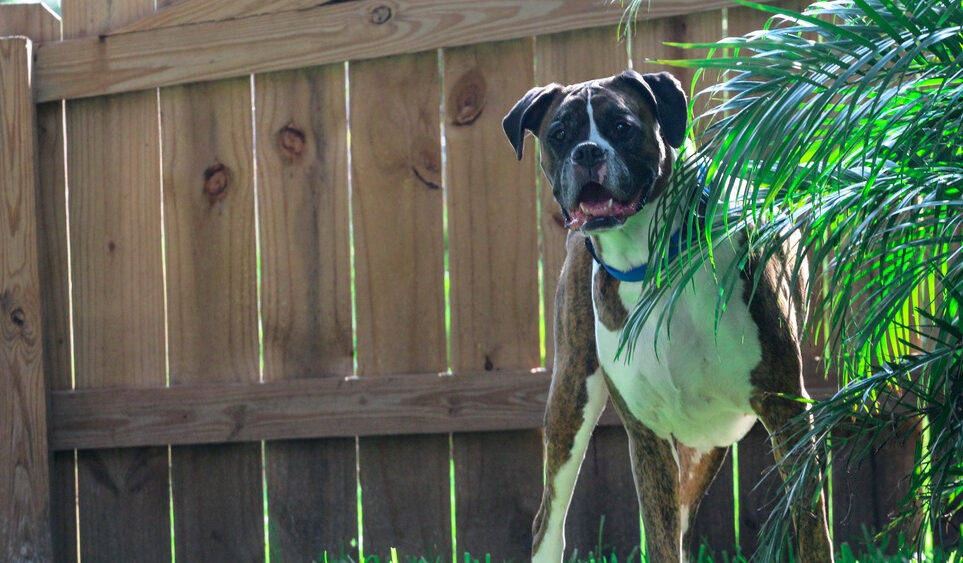
Wooden dog fences are popular for garden dog fence and backyard fencing services. Timber blends well with outdoor living spaces and privacy fencing styles.
Pros
- Natural look suited to suburban dog fencing
- Can be custom dog fencing with adjusted heights and spacing
- Works well with secure dog gates
Cons
- Requires regular maintenance
- Not always chew resistant fencing for some breeds
Picket fence for dogs works best for small to medium dogs when gaps are kept narrow.
Aluminium and Metal Dog Fencing
Aluminium fencing and steel fence options offer low maintenance fencing with strong durability.
Pros
- Weather resistant fencing suitable for coastal areas
- Clean appearance for modern NZ residential fencing
- Long fence lifespan
Cons
- Higher upfront dog fence costs
- Less privacy unless combined with slat fencing for dogs
Metal dog fencing is often chosen for urban homes where appearance and security must balance.
Wire Mesh, Chain Link, and Panel Fencing

Chain link fence and wire mesh fence options are practical for containment fencing for dogs.
Pros
- Affordable dog fencing for large areas
- Strong escape proof dog fence design
- Easy to repair with fence repair services
Cons
- Industrial look
- Limited privacy without added panels
Panel fencing and modular fencing systems improve appearance while keeping the strength of wire mesh.
PVC and Vinyl Dog Fencing
PVC fencing and vinyl fences suit homeowners looking for low maintenance and consistent appearance.
Pros
- UV resistant fencing
- No painting required
- Good for family friendly fencing
Cons
- Can crack under heavy impact
- Less suitable for large, high-energy dogs
Comparison Table: Popular Dog Fence Options in NZ
| Fence Type | Best For | Maintenance | Dog Size Suitability | NZ Weather Performance |
|---|---|---|---|---|
| Timber / Wooden Dog Fence | Gardens, privacy fencing NZ | Medium | Small to large | Moderate |
| Aluminium Dog Fencing | Urban homes, coastal fencing | Low | Small to large | High |
| Steel / Metal Dog Fence | Security-focused homes | Low | Medium to large | High |
| Chain Link / Wire Mesh | Lifestyle blocks, large yards | Low | All sizes | High |
| PVC / Vinyl Dog Fence | Suburban homes | Very low | Small to medium | Moderate |
Hidden Dog Fence Options: When Physical Fencing Is Not Ideal
Hidden dog fence systems are gaining interest in New Zealand, especially where visual fencing is limited by council fencing rules or aesthetic preferences.
What Is a Hidden Dog Fence?
A hidden dog fence, also known as an underground dog fence or invisible dog fence, uses buried wires or wireless dog fence signals to create a boundary. Dogs wear a collar that provides feedback when they approach the boundary.
Benefits of Hidden Dog Fencing
- Maintains open views and landscape design
- Useful for front yards with height restrictions
- Lower visual impact on property boundary fencing
Limitations to Consider
- Requires training for effective containment
- Not a physical barrier for other animals
- Less suitable for high prey-drive dogs
When talking about pet containment systems, hidden dog fence solutions work best as part of a wider dog safe fencing plan rather than a stand-alone solution.

Physical vs Hidden Dog Fencing: A Practical Comparison
Physical fencing offers clear boundaries and works for most dogs without training. Hidden dog fence systems rely on behaviour training and consistency.
- Invisible vs physical dog fence decisions should consider dog temperament and household routine.
- Physical fences support secure dog gates and outdoor enclosures.
- Hidden systems suit controlled environments with supervised dogs.
Many homeowners combine boundary fencing services with hidden dog fence zones inside the property for added control.
Installation, Costs, and Professional Support
Dog Fence Installation
Professional fence installers help with fence design consultation, material selection, and compliance with NZ residential fencing standards. Dog fence installation done correctly reduces long-term repair needs.
Dog Fence Cost
Costs vary depending on:
- Fence material and height
- Full property fencing vs partial backyard fencing services
- Ground conditions and access
Affordable dog fencing options exist, but long-term fence durability should guide decisions rather than price alone.
Repairs and Gates
Secure dog gates and gate installation for dogs are often weak points. Professional fencing company support ensures gates align with fence panels and fence posts properly.
Sustainability and Long-Term Value
Sustainable fencing materials and eco friendly fencing options are becoming more common in New Zealand. Treated timber from responsible sources, recyclable metal fencing, and long-lasting PVC systems reduce waste over time.
Low maintenance fencing also supports busy households by reducing upkeep while keeping dogs safe.
Conclusion: Choosing the Best Dog Fence for Your Home
The best dog fence options for New Zealand homes depend on your dog, your property, and how you use your outdoor spaces. Physical dog fencing such as timber, aluminium, metal, or wire mesh remains the most reliable solution for most households. Hidden dog fence systems can also work well when training and supervision are part of the plan.
When talking about long-term value, professional fence installers help create secure dog fencing that meets council rules, handles NZ weather conditions, and keeps pets safe. If you are planning dog fence installation or upgrading an existing boundary, consider working with a professional fencing company like Real Fencing for custom dog fencing, repairs, and full property fencing solutions designed for New Zealand homes.
Common Questions Answered
What is the best dog fence option for New Zealand homes?
The best dog fence option for New Zealand homes depends on several factors, including your dog’s size, behaviour, and how your property is laid out. For most residential properties, physical dog fencing remains the most reliable solution. Timber fencing, aluminium dog fencing, wire mesh, and steel dog fences provide clear boundaries and consistent containment. These options work well across suburban sections, lifestyle blocks, and urban environments, especially when paired with secure dog gates and proper fence height.
New Zealand weather conditions also play an important role. Coastal areas benefit from aluminium or metal dog fencing due to better resistance to moisture and salt air, while timber fencing suits garden and backyard spaces when maintained correctly. If you are unsure which option suits your home, working with a professional fencing company can help you balance durability, appearance, and long-term maintenance. A proper fence design consultation ensures the solution fits both your dog’s needs and local fencing rules.
Do hidden or underground dog fences actually work?
Hidden dog fence systems, including underground and wireless dog fences, can work effectively for some dogs when installed correctly and supported by training. These systems create a boundary using signals rather than physical barriers, allowing open views and minimal visual impact. For New Zealand homes with front yard fencing restrictions or landscaping priorities, hidden dog fences can be a practical containment option.
However, hidden dog fences are not suitable for every situation. They rely on consistent training and are less effective for dogs with strong prey drives or escape tendencies. They also do not prevent other animals from entering your property. Many homeowners choose to combine hidden dog fence systems with physical boundary fencing for added security. Speaking with experienced fence contractor at Real Fencing can help determine whether a hidden system is appropriate or if a physical dog proof fence would offer better long-term safety.
What type of fencing is best for small dogs?
Small dog fencing needs careful planning to prevent squeezing through gaps, digging underneath, or chewing fence panels. Timber fencing with close board spacing, PVC dog fencing, and wire mesh fencing with tight openings are popular choices for small dogs and puppies in New Zealand homes. These options provide clear containment while maintaining a neat appearance in garden and backyard spaces.
Dig proof dog fence features are especially important for small breeds. Installing fence panels close to ground level or adding a concrete or mesh base helps reduce escape risks. For households planning a long-term solution, professional dog fence installation ensures spacing, height, and gate alignment are handled correctly. A well-built fence not only keeps small dogs safe but also reduces ongoing maintenance and repairs.
What fencing works best for large or active dogs?
Height and structure are just as important as material. Large dog fencing should be tall enough to prevent jumping and firmly anchored with strong fence posts. Secure dog gates are also essential, as gates are often the weakest point in a fencing system. For best results, working with professional fence installers at Real Fencing ensures the fence is designed to match your dog’s behaviour and your property boundaries.
Are hidden dog fences allowed in New Zealand?
Hidden dog fences are generally allowed in New Zealand, but they must still align with local council fencing rules and boundary fence regulations. Because these systems do not create a physical structure, they often face fewer restrictions than traditional fencing, particularly in front yard or boundary areas where height limits apply.
That said, homeowners are still responsible for ensuring effective dog containment. Councils expect dogs to remain safely within the property, regardless of fencing type. Before installing a hidden dog fence, it is a good idea to confirm local requirements and consider whether a physical fence is also needed. A professional fencing company can help assess compliance while designing a solution that works for both your dog and your neighbourhood.
0 Comments